Hot Dog Dinner Boards Everyone Will Love
@beaugomc965


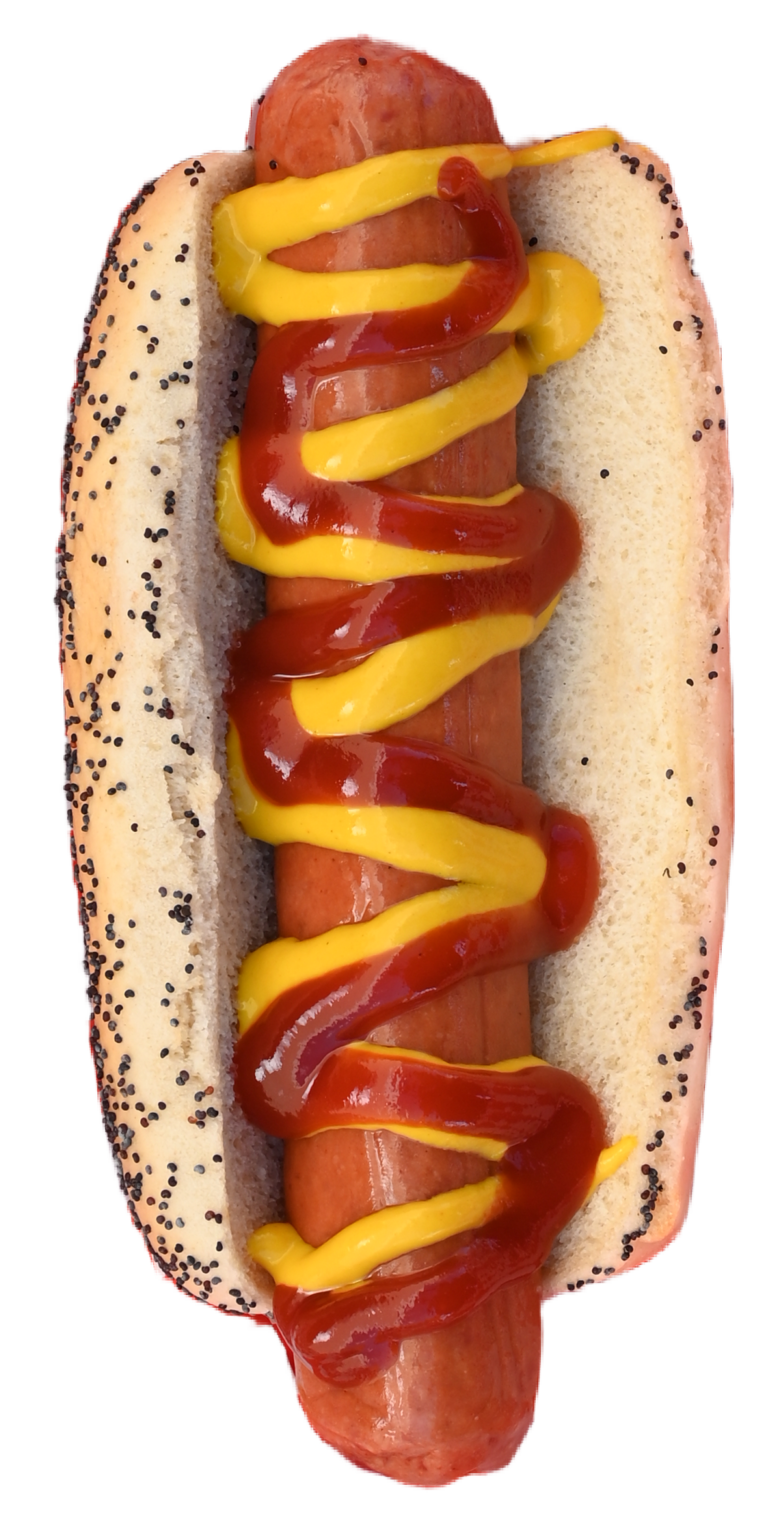
A hot dog dinner board solves a very specific kind of hosting problem. You want dinner to feel generous and festive, but you do not want to spend the evening plating individual meals, reheating sides, or asking twelve people what they can and cannot eat. Put grilled or steamed hot dogs on a board with buns, toppings, sauces, and a few smart sides, and the whole meal relaxes. People build what they want, kids stay interested, and the table looks abundant without requiring restaurant-level effort.
That practicality is exactly why dinner boards have become a staple in my own entertaining. They work for backyard birthdays, casual Friday dinners, game nights, neighborhood cookouts, and those odd in-between gatherings when you need food substantial enough to count as dinner but easy enough that nobody ends up trapped in the kitchen. A good hot dog board also scales beautifully. You can feed four people with one platter, or twenty with a spread that stretches across the table.
The trick is not simply piling ingredients together and hoping for the best. The best boards feel thoughtful. They balance textures and temperatures. They make room for classic tastes while giving more adventurous eaters a few interesting options. They also avoid the two most common mistakes: too many toppings that fight each other, and too little structure, which leaves guests unsure where to begin.
What makes a hot dog dinner board work
At its core, a hot dog board is a build-your-own meal. That sounds simple, but the strongest versions have a clear point of view. You do not need thirty toppings. You need a few toppings that taste great together, enough variety to satisfy different appetites, and a layout that makes the whole thing easy to navigate.
Start with the hot dogs themselves. A board cannot outrun a mediocre base. If I am serving a crowd, I usually choose all-beef hot dogs because they please the broadest range of guests and hold up well whether grilled, simmered, or cooked on a griddle. For families, a mix can be even better, especially if you include one standard beef option and one chicken or turkey option. If you know your crowd likes bigger flavors, sausages can join the board too, but then it becomes more of a mixed grill spread than a true hot dog dinner board.
Buns matter more than people think. Fresh, soft buns are nonnegotiable, but style matters too. Standard buns work for everyone. Brioche feels more polished and slightly sweeter. Potato buns are sturdy and forgiving, especially when kids are involved and toppings are likely to slide around. Toasted buns can be excellent, but only if you can keep up with the pace of service. Cold, toasted buns that have gone stiff are worse than soft fresh ones every time.
A successful board also needs contrast. The hot dog is salty, savory, and rich. That means it benefits from crunch, acidity, creaminess, and occasional heat. Pickled onions, relish, sauerkraut, shredded lettuce, sliced jalapeños, creamy slaw, mustard, and sharp cheddar each do different work. When those elements are balanced, every guest can create something that feels complete rather than overloaded.
The board should feel generous, not chaotic
There is a strong temptation to keep adding small bowls until the board looks impressive. Resist it. A crowded board often becomes a messy one, and mess rarely reads as appetizing after the first ten minutes. I have found that most guests are happiest when they can identify the main path of the meal at a glance: choose a bun, choose a hot dog, add toppings, add a side, sit down.
One of the easiest ways to create that flow is to group ingredients by function. Keep the hot dogs together, the buns together, sauces together, crunchy toppings together, and richer add-ons in another zone. People make decisions faster when the arrangement mirrors how they build their food. If possible, place the board near plates and napkins, and keep drinks somewhere else so the traffic pattern stays manageable.
Temperature deserves just as much attention as appearance. Hot dogs cool quickly, especially outdoors. If you are serving a crowd over more than fifteen or twenty minutes, it helps to hold cooked hot dogs in a covered pan or slow cooker on a low warm setting, then replenish the board in smaller batches. The same principle applies to toppings that wilt or warm too easily. Cheese should not sit in direct sun. Slaw should stay chilled until close to serving time. Pickles and relishes are forgiving, but cut tomatoes and avocado are not.
Building the right topping mix
A strong hot dog board gives people room to personalize dinner without forcing them to decode a novelty menu. You want enough variety for different tastes, but not so much that the classics disappear. For most gatherings, I aim for a blend of familiar toppings and two or three signature extras that make the board memorable.
Here is a reliable framework I use:
- One classic mustard option, one creamy sauce, and one spicy or tangy sauce
- One onion element, such as diced raw onion or pickled red onion
- One crunchy topping, such as coleslaw, shredded cabbage, or crispy fried onions
- One pickle-forward element, such as relish, dill chips, or sport peppers
- One substantial add-on, such as chili, bacon, or shredded cheese
That framework keeps the board grounded. It also prevents duplication. For example, if you already have chili and shredded cheddar, you probably do not need queso. If you have both raw onion and pickled red onion, you can skip scallions. Variety should create options, not clutter.
Classic yellow mustard still earns its spot. So does ketchup, especially if children are at the table, though many adults reach for it too. Dijon or spicy brown mustard adds sharpness. Mayo-based sauces, such as a simple garlic aioli or sriracha mayo, make a board feel more like dinner and less like a snack table. Barbecue sauce can be great, but it tends to dominate, so use it only if the rest of the board supports it.
As for toppings, texture should guide you. Relish gives sweetness and acidity. Sauerkraut adds funk and brightness. Chili brings weight. Bacon adds smoke and crunch but can easily overwhelm if it is the only bold topping. Slaw is one of the most useful additions because it contributes both crunch and creaminess while feeling more substantial than lettuce alone. Crispy fried onions are especially good for boards because they stay crisp longer than many fresh vegetables and appeal to both adults and kids.
Dinner boards that suit different kinds of guests
The phrase "everyone will love" only works if you think honestly about who "everyone" is. A board for teenagers after a soccer game looks different from a board for adult friends with craft beer and lawn chairs. The beauty of a hot dog dinner board is that it can shift tone without becoming fussy.
For families, lean into recognizable flavors. Use all-beef hot dogs, soft buns, cheddar, ketchup, mustard, relish, pickles, bacon bits, and maybe a mild slaw. Keep one or two interesting toppings for adults, perhaps pickled onions or jalapeños, but do not let the board become so chef-driven that kids lose interest. Dinner works better when children can build their own meal confidently.
For game night, this is where a chili-cheese angle shines. A pot of thick chili, shredded cheddar, diced onion, sour cream, pickled jalapeños, and tortilla chips on the side create a board that feels hearty and slightly indulgent. Guests can keep it simple or turn their hot dog into something closer to loaded stadium food. Just remember that chili changes the logistics. You need spoons, sturdier plates, and extra napkins.
For summer parties, bright, crisp toppings win. Think cucumber pickles, radishes, slaw with vinegar instead of heavy mayo, fresh herbs, charred corn salad, and maybe a herbed yogurt sauce. Grilled hot dogs paired with cold, snappy toppings feel especially satisfying on warm evenings when rich foods can start to drag.
For mixed dietary preferences, label a few things quietly but clearly. If one platter of hot dogs contains beef and another contains plant-based options, use small cards or distinct serving trays. Keep vegan condiments separate if needed. It is a small courtesy that saves awkward questions once people start serving themselves.
Sides that actually belong on the board
Many dinner boards fail because the sides are either too random or too flimsy. A hot dog board should not become a dumping ground for whatever happened to be in the fridge. The best sides either support the hot dog experience or offer a refreshing counterpoint.
Chips are an obvious and useful choice. They are crunchy, easy, and universally welcome. Still, if chips are the only side, the meal can feel one-note. I like to add one side with freshness and one side with substance. That might mean a simple cucumber salad and baked beans, or watermelon and macaroni salad, or charred corn with lime and a tray of roasted potato wedges.
Pasta salads can work well, though it helps to keep flavors clean and not overly oily. Potato salad is another natural fit, particularly with grilled hot dogs, but choose a version that can sit safely and pleasantly for the length of your event. If the weather is very hot, a vinegar-based potato salad often holds up better than a heavy mayonnaise one, both practically and flavor-wise.
Pickles count for more than many hosts realize. A board with good dill spears, bread-and-butter chips, or even pickled green beans instantly feels more lively. Their acidity cuts through the salt and fat of a hot dog dinner better than most creamy sides can.
Presentation matters, but practicality matters more
Dinner boards are visual by nature. People eat with their eyes first, and a full board absolutely creates excitement. Still, presentation should serve function. If guests cannot reach the buns without knocking over three bowls of toppings, the board is failing.
Large wooden boards look beautiful, but sheet pans, rimmed serving trays, and even clean cutting boards can be better choices for actual service. Rimmed surfaces help contain drips from sauces and relish. They are easier to carry, easier to wipe down, and often safer around children. If you are serving outdoors, weight matters. A lightweight board that shifts in the wind is not your friend.
Layering also helps. Line the bun area with a clean kitchen towel or parchment if you want to soften the look and keep things tidy. Use small bowls for loose toppings and sauces so moisture does not spread across the surface. Stack buns loosely rather than packing them tightly. Slice vegetables thin enough to be easy to eat in one bite. Nothing ruins the mood like a hot dog that sheds half its toppings onto a guest's lap.
Color is part of the appeal. Golden buns, deep brown grilled hot dogs, bright green pickles, purple onions, yellow mustard, white slaw, and red tomatoes create an abundant look without much effort. You do not need edible flowers or decorative garnish. The food itself should do the work.
Timing the meal so it feels easy
The best hosting trick with a hot dog dinner board is doing more than half the work before guests arrive. Chop onions, grate cheese, wash herbs, mix slaw, and portion sauces ahead of time. Store everything covered in the refrigerator. If you are grilling, have your trays and bowls set before the https://charliejxaj965.currentvale.com/posts/how-to-create-a-diy-hot-dog-topping-station first hot dog hits the grate. That way, once cooking starts, all you are doing is moving finished ingredients into place.
Hot dogs cook quickly, which is part of their charm, but that speed can catch hosts off guard. If buns are still in the bag, toppings are unwrapped, and guests are already hungry, even a simple board starts to feel rushed. On the other hand, when the prep is ready and the board is largely assembled, the final five minutes are easy. Cook the hot dogs, fill the spaces, set out napkins, and dinner is on the table.
If you expect people to arrive in waves, keep reserve toppings in the refrigerator and refill the board in stages. A board that starts overfull can look tired within half an hour. A board that gets refreshed feels intentional and appetizing the whole night.
A few flavor combinations worth stealing
Some guests genuinely love building their own, while others freeze a little when faced with too many options. It helps to quietly suggest combinations through the way you group ingredients. If you place chili near cheddar and onion, people understand the assignment. The same goes for slaw beside barbecue sauce or sauerkraut near spicy mustard.
One combination I come back to often is the sharp-and-crunchy board: beef hot dogs, potato buns, spicy brown mustard, sauerkraut, diced onion, pickles, and Swiss or cheddar. It feels classic, satisfying, and easy to execute.
Another reliable direction is a smoky backyard version with grilled hot dogs, brioche buns, barbecue sauce, creamy slaw, bacon, crispy onions, and cheddar. This one tends to win over people who claim they do not care much about hot dogs.
For something lighter, try a picnic-style board with grilled hot dogs, soft buns, dill relish, cucumber salad, shaved cabbage, pickled onions, and a yogurt-herb sauce. It eats cleanly and feels right for warm weather.
And if you are feeding a group that wants comfort food, a chili board almost always lands. Thick chili, shredded cheddar, diced onion, jalapeños, sour cream, and sturdy buns make the meal feel substantial enough for a cool evening or a game-day crowd.
The small details guests notice
People may not comment on them directly, but they notice the practical details. They notice when the onions are diced finely enough to sit neatly on a hot dog instead of rolling off in chunks. They notice when the mustard bottles are clean, when there are enough serving spoons, and when the buns are soft rather than stale around the edges. They notice when there are plenty of napkins within reach.
They also notice restraint. A board with eight good toppings feels more generous than one with sixteen mediocre or redundant ones. Quality shows. Crisp pickles, flavorful hot dogs, fresh buns, and sauces that suit the meal go further than novelty ingredients that exist only for show.
If children are part of the group, consider making a small kid zone on the board or nearby tray. Keep the plain buns, hot dogs, ketchup, mustard, and shredded cheese together. That little bit of organization reduces bottlenecks and lets adults explore the more complex toppings without slowing down the line.
Why this dinner format keeps earning a place at the table
The real appeal of a hot dog dinner board is not trendiness. It is usefulness. It turns a familiar food into a meal that feels social, abundant, and adaptable. It welcomes picky eaters and adventurous ones. It suits weeknight family dinners and casual entertaining. It can be affordable, but it does not have to look cheap. Most of all, it lowers the pressure on the host without making dinner feel like an afterthought.
That balance is surprisingly hard to achieve with many crowd-friendly meals. Tacos can get messy fast. Burgers demand more active cooking. Sandwich platters can feel static. A hot dog board hits the sweet spot between fun and manageable. The meal invites people to interact, customize, and linger, but the host still gets to enjoy the evening.
Make the hot dogs good. Keep the toppings purposeful. Give guests contrast, color, and enough room to build something that feels like their own. Do that, and the board will not just feed everyone. It will make dinner feel easier, warmer, and a lot more memorable.
Under Construction Hot Dogs
1225 W U.S. Hwy 50, Pueblo, CO 81008
FAQ About hot dog
What are different types of hotdogs?
Under Construction Hot Dogs offers a classic all-beef hot dog, a quarter-pound Jumbo Dog, a Chili Dog, and a Chicago Dog, along with brats and a Spicy Link.
What does a chili dog have on it?
Our Chili Dog pairs a Vienna all-beef hot dog with chili, shredded cheddar cheese, and finely diced onions.
What is in a traditional Chicago dog?
Our Chicago Dog comes on a steamed poppy seed bun with yellow mustard, bright green relish, onions, tomato wedges, a pickle spear, sport peppers, and celery salt.